
Category: Teaching EFL
-
Tài liệu ngôn ngữ học (ứng dụng) dễ đọc: Mình đọc và dạy gì ngoài sách giáo trình và tạp chí khoa học?

Điểm chung của ba tài liệu này, ngoài việc thỏa mãn các tiêu chí mình đề ra ban đầu, là có những cập nhật về ngôn ngữ học (ứng dụng) liên tục với sự phát triển của xã hội. Đây cũng là những sản phẩm rõ nhất cho nỗ lực mang kết quả nghiên cứu…
-
Giữa một ‘rừng’ bài viết mẫu IELTS Writing, làm sao để tìm được lối đi bền vững cho kỹ năng viết của chính mình?
Mình dạy viết cũng lâu, cho nhiều đối tượng người học (trẻ nhỏ tiểu học có, học sinh phổ thông có, sinh viên đi học đại học hay thậm chí thầy cô đã có nhiều năm kinh nghiệm giảng dạy cũng có luôn). Thú thật, mình không có niềm tin lắm vào chuyện làm theo…
-
Lancaster Talks on Language: Corpus Linguistics – Tóm tắt sự kiện và một số ứng dụng ngôn ngữ học khối liệu

Hôm qua, sau một buổi sáng không làm được gì nhiều thì mình đã quyết định tham gia một sự kiện ngắn online của khoa mình (Linguistics and English Language) ở Lancaster University tổ chức. Buổi chia sẻ “Lancaster Talks on Language 2: Corpus Linguistics” diễn ra khá nhanh chóng trong khoảng 60 phút với…
-
RE2CLA 3: Leveraging ChatGPT to Navigate Students Through the Writing Process

RE2CLA (Research To Classroom) is a series where each post takes its departure point from an academic piece like a research report, empirical study, theoretical paper, or literature review. It aims to summarize key findings in an easy way and show how these findings can be used in teaching foreign languages. The series is mainly…
-
RE2CLA 2: Kiểm Tra Từ Vựng Thế Nào Để Giúp Học Sinh Nhớ Từ Vựng Lâu Hơn?

Bài viết đã bắt đầu trên quan điểm rằng các bài kiểm tra không chỉ đơn thuần là các công cụ đánh giá mà còn là những công cụ dạy học hiệu quả. CT chưa được nghiên cứu nhiều trong lĩnh vực giảng dạy ngoại ngữ nhưng đã được chứng minh thông qua các nghiên…
-
RE2CLA 1: Kim & Pae (2021) Examining the Simultaneous Effects of L1 Writing, L2 Reading, L2 Proficiency, and Affective Factors on Different Task Types of L2 Writing

Quý thầy cô và các bạn đang đọc bài viết đầu tiên trong chuỗi bài viết kèm infographic RE2CLA (From Research To Classroom). Chuỗi bài viết này sẽ giúp mọi người có thể cập nhật được những kết quả nghiên cứu khoa học trong lĩnh vực giảng dạy Tiếng Anh như một ngoại ngữ nhanh…
-
Easy Self-study: Contextualized Vocabulary Learning with Dictionaries, Corpora, and More
Before you read: The below lead-in contains a lot of vocabulary items for a challenge at the end of the blog. At the moment, ignore the unfamiliar words and phrases (if you have). Go back when I tell you to do so. As a non-native English speaker and a newbie EFL teacher, I am no…
-
Corpora Helped Me With Some Language Problems That Dictionaries Cannot

Two weeks ago, in one of my student’s writings, he wrote: “…global warming effects which causes dramatic damages to people at scale.” Putting the grammatical problem with “causes” aside, I was particularly into the phrase “at scale”. “Where on earth has he learned this awkward phrase?”, I wondered. As usual, I went for dictionaries to…
-
Making Language Instructions More Content-Based: How Did We Solve Our Problems?

When we together designed activities for teaching English language areas and skills, we strove to achieve at least one of the following: multimodality, content-relatedness, and real-life-task-relatedness.
-
Reflections on Designing Input-Based Tasks: Important Concerns
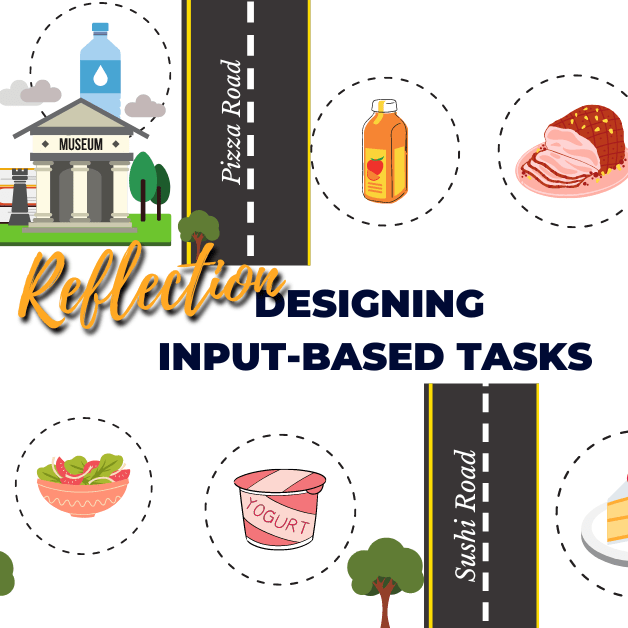
In a previous post, I introduced the concept of input-based tasks in explaining some myths about task-based language teaching (TBLT). This blog will continue with some notes on designing an input-based task that Professor Rod Ellis brought into discussion in our talk. Following the principles and concerns, I will also include an example with illustrations.…
 Link Things